২০১৮ সাল। দক্ষিণ আফ্রিকার কেপ টাউন।
ভোর ৪টা। অ্যালার্মের শব্দে ঘুম ভাঙল হেলেনের। আজ তিনি মর্নিং ওয়াকে যাবেন না, অফিস যাওয়ারও কোনো তাড়া নেই। তবুও উঠতে হলো। হাতে দুটো বড় প্লাস্টিকের জার নিয়ে তিনি ছুটলেন শহরের ‘নিউল্যান্ডস স্প্রিং’-এর দিকে।
গিয়ে দেখলেন, সূর্য ওঠার আগেই সেখানে অসংখ্য মানুষের লম্বা লাইন। সবার চোখেমুখে অজানা আতঙ্ক। হেলেন জানেন, আজ যদি তিনি পানি সংগ্রহ করতে না পারেন, তবে তার বাচ্চাকে গোসল করানো যাবে না, রান্না হবে না, এমনকি টয়লেট ফ্ল্যাশ পর্যন্ত করা যাবে না। সত্যি বলতে, কিছুই করা যাবে না, থমকে যাবে জীবন। কারণ, দক্ষিণ আফ্রিকার সরকার ঘোষণা দিয়েছে, বাড়ির কলে আর পানি আসবে না। এভাবে লাইন ধরেই সংগ্রহ করতে হবে, মাথাপিছু বরাদ্দ মাত্র ৫০ লিটার। আফ্রিকার পানিসংকট তখন এতোটাই চরমে।
হেলেন লাইনে দাঁড়িয়ে ভাবছেন সেই ভয়ঙ্কর দিনটির কথা, যার নাম দেওয়া হয়েছে “ডে জিরো” (Day Zero) । যেদিন শহরের শেষ বিন্দু পানিটুকুও ফুরিয়ে যাবে। আধুনিক যুগে পানির অভাবে একটি আস্ত শহর মৃত্যুর প্রহর গুনছে—ভাবা যায়?
হেলেনের এই হাহাকার দেখে যখন বিশ্ববাসী আতঙ্কিত, ঠিক তখন পৃথিবীর অন্য প্রান্তে ছোট্ট একটি দ্বীপ দেশ মুচকি হাসছিল। কারণ, হেলেনের শহরের মতো তাদেরও নদী নেই, ঝরনা নেই, মাটির নিচে শুধুই লোনা পানি। তবুও তাদের বাসার পানির লাইন কখনো শুকায় না।
শুভেচ্ছা সবাইকে।
আমরা এখন দাঁড়িয়ে আছি পৃথিবীর অন্যতম সবুজ একটি শহরে। যেদিকে তাকাই সেদিকেই সবুজ আর সবুজ। অথচ এই জায়গাটা পৃথিবীর অন্যতম একটা আধুনিক শহর। ইটপাথরের আধুনিকতা এই শহরের সবুজকে কেড়ে নিতে পারেনি। অথচ এই দেশটির আসলে টিকে থাকারই কথা ছিল না।
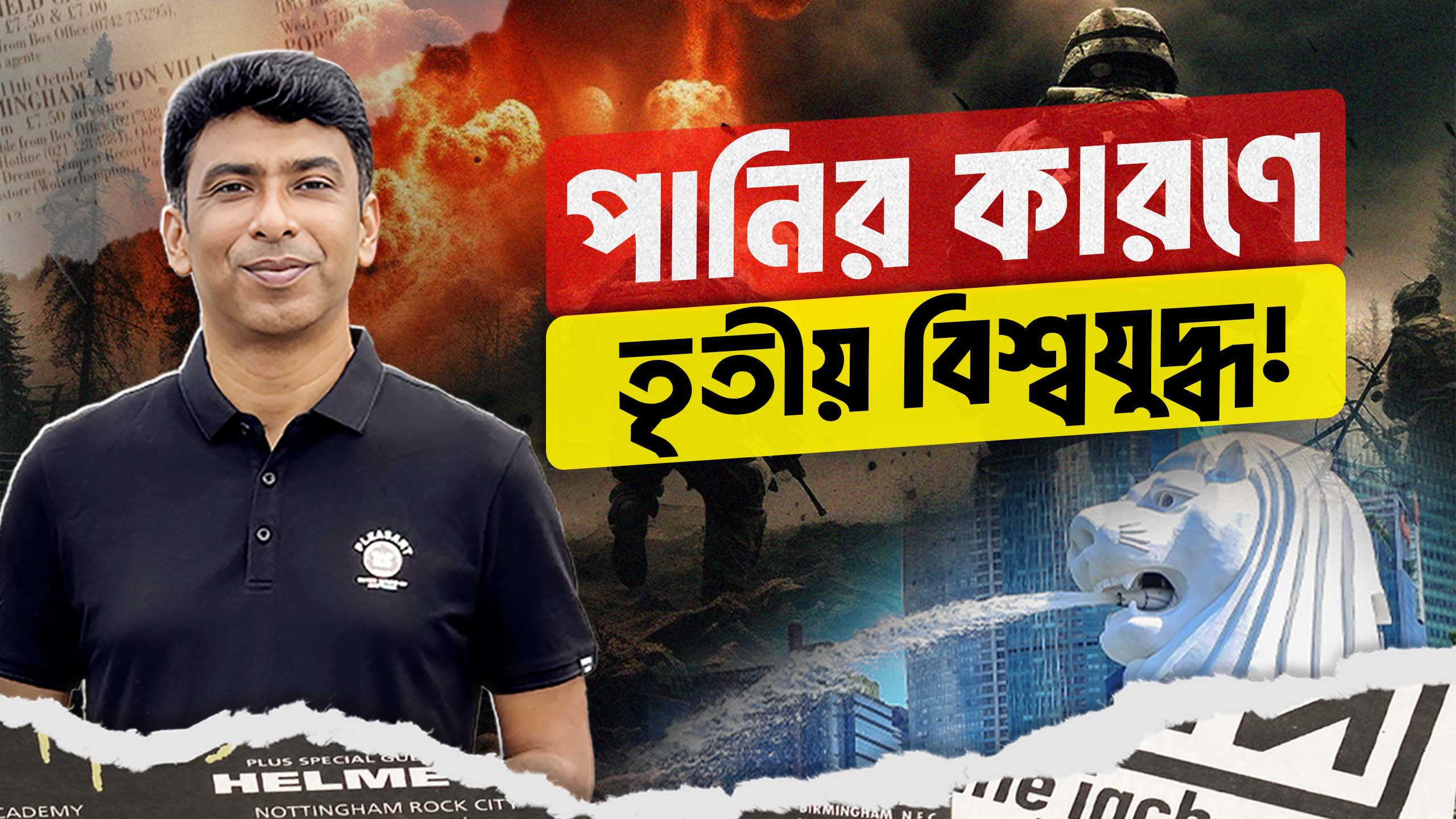
তেল, গ্যাস, কয়লার মতো কোন প্রাকৃতিক সম্পদ নেই। চাষাবাদের জন্য নেই যথেষ্ট পরিমাণ জমিও। তাহলে কীভাবে সমৃদ্ধ হয়ে টিকে আছে এই দেশটি? যারা এতোক্ষণ এই দেশটির নাম শোনার অপেক্ষায় আছেন, তাদের বলছি- দেশটা সিঙ্গাপুর।
আরো চমকে দেয়ার মতো একটি তথ্য দিই, এখানে আসলেই পানের যোগ্য নিজস্ব কোনো পানি নেই। বিশ্বাস হচ্ছে না, তাই না?
সিঙ্গাপুরের ন্যাশনাল আর্কাইভস-এর তথ্য মতে, ১৯৬৫ সালে যখন সিঙ্গাপুর স্বাধীন হয়, তখন বিশেষজ্ঞরা বলেছিলেন এই দেশ বেশি দিন টিকবে না। তারা বলেছিলেন, শুধু পানির অভাবেই সিঙ্গাপুর মারা যাবে। একটি দ্বীপ দেশ। চারপাশ জুড়ে সমুদ্র। বুঝতেই পারছেন, সব লোনা পানি; এক ফোঁটাও পানি পান করার মতো না। ভাবতে পারেন?
যে দেশ একসময় পানির অভাবে হারিয়ে যেতে বসেছিল, আজ তারাই সারা বিশ্বকে দেখাচ্ছে পানি বাঁচানোর কৌশল। ব্লুমবার্গের তথ্য বলছে, সিঙ্গাপুর এখন বিশ্বের শীর্ষ ‘জল প্রযুক্তি হাব’।
তারা কীভাবে এই অসম্ভবকে সম্ভব করল? প্রকৃতির বিরুদ্ধে লড়াই করে কীভাবে জিতল তারা? চলুন জানা যাক সেই অবিশ্বাস্য গল্পের ভেতরে।
১৯৬৫ সাল।
মালয়েশিয়া থেকে আলাদা হয়ে গেল সিঙ্গাপুর। পৃথিবীর প্রতিটা দেশ স্বাধীনতা পেয়ে বিজয় উদযাপন করে। এখানে গল্পটা ব্যতিক্রম। সিঙ্গাপুরের জন্য এটি কোনো খুশির দিন ছিল না। বরং এটি ছিল ভয়ের দিন, আতঙ্কের দিন। কিন্তু কেন? কারণ সিঙ্গাপুরের ঘাড়ের ওপর তখন এক বড় বিপদ। সেই বিপদের নাম পানি। সে সময় সিঙ্গাপুরের প্রায় সবটুকু পানি আসত মালয়েশিয়ার জোহর প্রদেশ থেকে। সিঙ্গাপুরের পররাষ্ট্র মন্ত্রণালয়ের নথিপত্র অনুযায়ী, ১৯৬১ এবং ১৯৬২ সালে মালয়েশিয়ার সাথে সিঙ্গাপুরের দুটি চুক্তি হয়েছিল। এই চুক্তির মাধ্যমে সিঙ্গাপুর মালয়েশিয়া থেকে পানি কিনত। খটকা লাগছে নিশ্চয়ই, সিঙ্গাপুর তো স্বাধীন হলো ১৯৬৫ সালে। তাহলে ১৯৬১ এবং ১৯৬২ সালে চুক্তি হলো কীভাবে?
আসলে সেসময় সিঙ্গাপুর ছিল ব্রিটিশদের অধীনে একটি স্বশাসিত বা ‘Self-governing’ রাজ্য। লি কুয়ান ইউ জানতেন, ব্রিটিশরা চলে গেলে তাদের রাজনৈতিক ভবিষ্যৎ যাই হোক, এই দ্বীপটি পানি ছাড়া টিকবে না। তাই পূর্ণ স্বাধীনতার আগেই, দূরদর্শী লি কুয়ান ইউ জোহর রাজ্যের (বর্তমান মালয়েশিয়া) সাথে এই ঐতিহাসিক চুক্তিগুলো করে রেখেছিলেন। উদ্দেশ্য ছিল একটাই—রাষ্ট্রের ভবিষ্যৎ যাই হোক, মানুষের গলা ভেজানোর পানি যেন নিশ্চিত থাকে।
তাহলে সমস্যাটা কোথায় ছিল? খুবই সিম্পল, বলছি শুনুন। আপনার পানির কলের সুইচ যদি অন্য দেশের হাতে থাকে, তাহলে আপনি কি সত্যিই স্বাধীন? মালয়েশিয়া যেকোনো সময় সেই কল বন্ধ করে দিতে পারত। সত্যি বলতে, রাজনৈতিক ঝামেলা হলেই পানির হুমকি পেত সিঙ্গাপুর।
সিঙ্গাপুরের স্বপ্নদ্রষ্টা লি কুয়ান ইউ তাঁর আত্মজীবনী ‘ফ্রম থার্ড ওয়ার্ল্ড টু ফাস্ট’-এ লিখেছেন, “প্রতিটি নীতি, প্রতিটি সিদ্ধান্ত নেওয়ার সময় আমাকে ভাবতে হতো, এর ফলে কি আমাদের পানি বন্ধ হয়ে যাবে?”
বিষয়টি আমাদের দক্ষিণ এশিয়ার রাজনীতির সাথেও মিলে যায় অনেকক্ষেত্রে। যেমন ধরুন তিস্তা নদীর কথা। উজানের দেশ বাঁধ দিলে আমাদের পানি শুকিয়ে যায়। আবার তারা বাঁধ খুলে দিলে আমরা বন্যায় ভেসে যাই। পানির নিয়ন্ত্রণ নিজের হাতে না থাকলে একটি দেশ কতটা অসহায় হতে পারে, তা আমরা বাংলাদেশিরা ভালোভাবেই বুঝি।
সিঙ্গাপুরও ঠিক এমন অসহায় অবস্থায় ছিল। তাদের সামনে তখন দুটি পথ ছিল। পানির অভাবে ধুঁকে ধুঁকে মরা অথবা অসম্ভবকে সম্ভব করা। সিঙ্গাপুর দ্বিতীয় পথটি বেছে নিয়েছে। পানির সমস্যা সমাধানে জন্য একটি মাস্টারপ্ল্যান তৈরি করল তারা, একে বলা হয় “ফোর ন্যাশনাল ট্যাপস”।
আসুন, খুব সহজ করে এই চারটি জাদুর কল সম্পর্কে জানি।
প্রথমত, বৃষ্টির পানি (Local Catchment) । সিঙ্গাপুরে প্রচুর বৃষ্টি হয়। কিন্তু আগে এই বৃষ্টির পানি সমুদ্রে চলে যেত। সিঙ্গাপুর সরকার পরিকল্পনা করলো, এই বৃষ্টির এক ফোঁটাও নষ্ট হতে দেওয়া যাবে না। সিঙ্গাপুরের পানি সংস্থা ‘PUB’-এর তথ্য মতে, বর্তমানে সিঙ্গাপুরের মাটির দুই-তৃতীয়াংশ এলাকা বৃষ্টির পানি ধরে রাখার জন্য ব্যবহার করা হয়।
সিঙ্গাপুরের রাস্তায় হাঁটলে দেখা যায় সুন্দর সব ড্রেন। এগুলো সাধারণ ড্রেন নয়। বৃষ্টির পানি সংগ্রহ করে বড় বড় জলাধারে নিয়ে যায় ড্রেনগুলো। সবচেয়ে বড় উদাহরণ হলো ‘মেরিনা ব্যারেজ’। এটি দেখতে একটি পার্কের মতো। মানুষ এখানে ঘুড়ি ওড়ায়, ঘুরে বেড়ায়। কিন্তু আসলে এটি একটি বিশাল বাঁধ।
এটি সমুদ্রের লোনা পানিকে শহরের ভেতরে ঢুকতে বাধা দেয়। আবার শহরের বৃষ্টির পানিকে জমিয়ে মিষ্টি পানির লেক তৈরি করে। শহরটাই যেন একটা বিশাল ফিল্টার।
দ্বিতীয়ত, আমদানি করা পানি (Imported Water) অর্থাৎ, মালয়েশিয়া থেকে পানি আমদানি করা।
১৯৬২ সালের চুক্তি অনুযায়ী, ২০৬১ সাল পর্যন্ত সিঙ্গাপুর মালয়েশিয়া থেকে পানি কিনতে পারবে। কিন্তু সিঙ্গাপুর জানে, এই চুক্তির মেয়াদ একদিন শেষ হবে। তাই তারা এই উৎসের ওপর নির্ভরতা কমিয়ে আনছে। তাদের লক্ষ্য হলো, ২০৬১ সালের আগেই তারা পানির ব্যাপারে সম্পূর্ণ স্বাবলম্বী হবে। স্বীকার করতে বাঁধা নেই, সিঙ্গাপুর সে লক্ষ্যে অনেকটাই এগিয়ে গেছে।
তৃতীয়ত, নিউ-ওয়াটার (NEWater) বা রিসাইকেল করা পানি। এটিই সিঙ্গাপুরের সবচেয়ে চমকপ্রদ আবিষ্কার। সহজ কথায় বললে, টয়লেটের পানি বা ড্রেনের নোংরা পানিকে ফিল্টার করে খাবার পানি বানানো। শুনে নিশ্চয়ই অবাক হচ্ছেন?
ভাবছেন, নর্দমার পানি মানুষ খাবে কিভাবে?
কিন্তু সিঙ্গাপুরের PUB-এর ল্যাবরেটরি টেস্ট অনুযায়ী, এই ‘নিউ-ওয়াটার’ সাধারণ বোতলজাত পানির চেয়েও বেশি বিশুদ্ধ। প্রক্রিয়াটি খুব চমৎকার। প্রথমে নোংরা পানিকে মাইক্রোফিল্ট্রেশন করা হয়। এরপর ‘রিভার্স অসমোসিস’ বা আরও উন্নত প্রযুক্তিতে জীবাণু দূর করা হয়। শেষে আল্ট্রা-ভায়োলেট রশ্মি দিয়ে এটি সম্পূর্ণ বিশুদ্ধ করা হয়। বর্তমানে সিঙ্গাপুরের মোট পানির চাহিদার প্রায় ৪০ শতাংশ মেটায় এই নিউ-ওয়াটার। শিল্পকারখানা এবং কুলিং সিস্টেমে এই পানি বেশি ব্যবহার হয়। তবে খরার সময় এটি কলের পানির সাথে মিশিয়েও পান করা হয়। বিশ্ব স্বাস্থ্য সংস্থা (WHO)-এর গাইডলাইন অনুযায়ী, এই পানি পানের জন্য ১০০% নিরাপদ। বিশ্বাস করুন অথবা নাই করুন, এটাই এখন বাস্তব।
চতুর্থত, ডিস্যালিনেশন (Desalination) – বা সমুদ্রের পানি। সিঙ্গাপুরের চারদিকে সমুদ্র। তাদের পান ও ব্যবহারযোগ্য পানির অভাব থাকলেও পানির কিন্তু অভাব নেই। সমস্যা হলো, সাগরের পানি লবণাক্ত। সিঙ্গাপুরের বর্তমান লক্ষ্য, সমুদ্রের পানিকে মিষ্টি পানিতে রূপান্তর করা।
সিঙ্গাপুরে বড় বড় ডিস্যালিনেশন প্ল্যান্ট বা শোধনাগার আছে। তবে এখানে একটি সমস্যা আছে। সমুদ্রের পানি শোধন করতে প্রচুর বিদ্যুৎ বা শক্তি খরচ হয়। তাই এটি বেশ ব্যয়বহুল। সিঙ্গাপুর এনার্জি মার্কেট অথরিটির তথ্য মতে, তারা এখন সৌরবিদ্যুৎ ব্যবহার করে এই খরচ কমানোর চেষ্টা করছে।
এই চারটি উৎসের সমন্বয়ে সিঙ্গাপুর আজ পানির চিন্তা থেকে মুক্ত। একইসাথে, নিরাপদ পানির সংকটে চিন্তিত গোটা বিশ্বকে দেখাচ্ছে আশার আলো।
তবে আপনি যদি ভেবে থাকেন, কেবল প্রযুক্তি দিয়েই সফল হয়েছে সিঙ্গাপুর, তাহলে ভুল হবে। প্রযুক্তি দিয়ে পানি আনা সম্ভব। কিন্তু মানুষের স্বভাব পরিবর্তন করা সবচেয়ে কঠিন। সিঙ্গাপুর কেবল প্রযুক্তি দিয়েই সফল হয়নি। তাদের সফলতার পেছনে আছে কঠোর নিয়ম। সিঙ্গাপুরকে বলা হয় “ফাইন সিটি” (Fine City) । এখানে পান থেকে চুন খসলেই জরিমানা দিতে হয়। আপনি যদি সিঙ্গাপুরের ড্রেনে বা খালে ময়লা ফেলেন, তবে আপনাকে বিশাল অঙ্কের জরিমানা গুণতে হবে।
কেন জানেন?
কারণ ওই ড্রেনের পানিই দিনশেষে দেশের নাগরিকদের গ্লাসে গিয়ে পৌঁছাবে। সিঙ্গাপুরের পরিবেশ আইন অনুযায়ী, জলাশয় দূষণ করলে কঠোর শাস্তির বিধান রয়েছে। শুধু তাই নয়, এখানে পানির দামও বেশ চড়া। আপনি যদি প্রয়োজনের বেশি পানি খরচ করেন, তবে আপনাকে অতিরিক্ত ট্যাক্স দিতে হবে। সরকার ইচ্ছাকৃতভাবেই পানির দাম বেশি রাখে। যাতে মানুষ বোঝে, পানি সস্তা নয়, পানি অমূল্য সম্পদ।
অনেক পর্যটক সিঙ্গাপুরের এই কড়াকড়ি নিয়ে হাসাহাসি করেন। কিন্তু সিঙ্গাপুরিয়ানদের জন্য এটি কোনো ঠাট্টার বিষয় নয়। এটি তাদের অস্তিত্বের প্রশ্ন। তারা ছোটবেলা থেকেই শেখে, “Every waterdrop is important”. স্কুলগুলোতেও শিশুদের শেখানো হয় কীভাবে পানি বাঁচাতে হয়। টিকে থাকতে হলে শৃঙ্খল হতেই হবে। এর কোনো বিকল্প নেই।
এবার চলুন দেশের কথায় আসা যাক। আমাদের বাংলাদেশ নদীমাতৃক দেশ। শত শত নদী আছে এ দেশে। আমাদের মাটির নিচে অফুরন্ত পানি আছে। কিন্তু আমরা কি করছি?
বিশ্বব্যাংকের ২০১৯ সালের রিপোর্ট অনুযায়ী, ঢাকার চারপাশের নদীগুলোর পানি এতটাই দূষিত যে, তা শোধন করে ব্যবহার করা কঠিন। আমরা আমাদের নদীগুলোকে ডাস্টবিন বানিয়ে ফেলেছি। শিল্পকারখানার বর্জ্য ফেলে পানিকে বিষাক্ত করে ফেলেছি। এভাবে চলতে থাকলে আমাদের অফুরন্ত পানির ভান্ডারেও টান পড়বে, তার নিদর্শন আমরা ইতোমধ্যেই দেখতে শুরু করেছি।
সিঙ্গাপুরের কিছুই ছিল না। শুধু ছিল প্রবল ইচ্ছাশক্তি আর সঠিক ব্যবস্থাপনা। তারা কংক্রিটের জঙ্গলের মধ্যেও বৃষ্টির পানি ধরে রাখছে। আর আমরা? প্রকৃতির দেওয়া অফুরন্ত পানি নষ্ট করছি।
সিঙ্গাপুরের এই গল্প থেকে আমাদের একটি বড় শিক্ষা নেওয়ার আছে। সম্পদ থাকলেই দেশ ধনী হয় না। আসল সম্পদ হলো ‘ম্যানেজমেন্ট’ বা ব্যবস্থাপনায় উন্নত হওয়া।
সিঙ্গাপুর প্রমাণ করেছে, অভাব কোনো সমস্যা নয়। সমস্যা হলো আমাদের মানসিকতা। তারা শুধু দালানকোঠা বানায়নি, তারা বেঁচে থাকার একটি সিস্টেম বা ব্যবস্থা তৈরি করেছে। অনেক বিশেষজ্ঞই ইদানিং বলছেন, হয়তো আগামী বিশ্বযুদ্ধ তেলের জন্য হবে না, হবে সুপেয় পানির জন্য।
সেই যুদ্ধের আগেই সিঙ্গাপুর পূর্ণ প্রস্তুতি নিয়ে রেখেছে। কিন্তু আমরা কি প্রস্তুত?
ধন্যবাদ সবাইকে।
সুস্থ থাকুন, ভালো থাকুন।
Water Victory of Singapore
2018. Cape Town, South Africa. 4 AM. Helen woke up to the sound of her alarm. Today she won’t go for a morning walk, nor is there any rush to go to the office. Yet she had to get up. Taking two large plastic jars in her hands, she rushed towards the city’s ‘Newlands Spring’. Arriving there, she saw long lines of countless people even before sunrise. There was an unknown panic in everyone’s eyes and faces. Helen knows that if she cannot collect water today, she won’t be able to bathe her child, there will be no cooking, and even the toilet cannot be flushed. Truth be told, nothing can be done; life will come to a standstill. Because the South African government has announced that water will no longer come through house taps. It must be collected by standing in such lines, with an allocation of only 50 liters per person. The water crisis in Africa was that extreme back then.
Standing in line, Helen is thinking about that terrible day named “Day Zero”. The day the city’s very last drop of water will run out. Can you imagine—a whole city in the modern era counting the hours until death due to a lack of water?
While the world was alarmed seeing Helen’s desperation, a tiny island nation on the other side of the world was smiling subtly. Because, like Helen’s city, they have no rivers, no springs, and only salty water underground. Yet, the water lines in their homes never run dry.
Greetings to everyone.
We are now standing in one of the greenest cities in the world. Everywhere we look, there is green and more green. Yet, this place is one of the most modern cities on Earth. The modernity of bricks and stones could not snatch away the greenery of this city. Actually, this country was not even supposed to survive.
There are no natural resources like oil, gas, or coal. There isn’t even enough land for cultivation. Then how does this country remain prosperous and survive? To those who have been waiting to hear the name of this country, I am telling you—the country is Singapore.
Let me give you an even more shocking piece of information: there is actually no drinkable water of its own here. You don’t believe it, do you?
According to information from the National Archives of Singapore, when Singapore became independent in 1965, experts said this country would not last long. They said Singapore would die just from the lack of water. An island nation. Surrounded by the sea. You can understand, it’s all salt water; not a single drop of water is drinkable. Can you imagine?
The country that was once on the verge of disappearing due to a lack of water is now showing the whole world the strategy for saving water. Bloomberg data says Singapore is now the world’s top ‘water technology hub’.
How did they make this impossible thing possible? How did they win by fighting against nature? Let’s dive into that incredible story.
1965.
Singapore separated from Malaysia. Every country in the world celebrates victory upon gaining independence. Here, the story is an exception. For Singapore, it was not a happy day. Rather, it was a day of fear, a day of panic. But why?
Because a great danger was looming over Singapore’s head then. The name of that danger was water. At that time, almost all of Singapore’s water came from the Johor province of Malaysia. According to the records of Singapore’s Ministry of Foreign Affairs, two agreements were signed between Singapore and Malaysia in 1961 and 1962. Through these agreements, Singapore used to buy water from Malaysia. You must be confused; Singapore became independent in 1965. Then how were the agreements made in 1961 and 1962?
Actually, at that time, Singapore was a ‘Self-governing’ state under the British. Lee Kuan Yew knew that regardless of their political future after the British left, this island would not survive without water. Therefore, even before full independence, the far-sighted Lee Kuan Yew had made these historic agreements with the state of Johor (now Malaysia). The purpose was only one—whatever the future of the state might be, the water to quench people’s thirst must be ensured.
So where was the problem? It’s very simple, listen. If the switch of your water tap is in the hands of another country, are you truly independent? Malaysia could have turned off that tap at any time. Truth be told, Singapore would receive water threats whenever there was political trouble.
The visionary of Singapore, Lee Kuan Yew, wrote in his autobiography ‘From Third World to First’: “Every policy, every decision had to be made with the thought—could this result in our water being cut off?”
This issue also matches the politics of South Asia in many cases. For example, consider the Teesta River. If the upstream country builds a dam, our water dries up. Again, if they open the dam, we are washed away by floods. We Bangladeshis understand very well how helpless a country can be if the control of water is not in its own hands.
Singapore was in such a helpless state. They had two paths before them. To die slowly due to lack of water or to make the impossible possible. Singapore chose the second path. To solve the water problem, they created a master plan called the “Four National Taps”.
Let’s learn about these four magic taps very simply.
Firstly, Rainwater (Local Catchment). It rains a lot in Singapore. But previously, this rainwater would flow into the sea. The Singapore government planned that not a single drop of this rain should be allowed to go to waste. According to the data from Singapore’s water agency ‘PUB’, currently two-thirds of Singapore’s land area is used to catch rainwater.
If you walk on the streets of Singapore, you can see beautiful drains. These are not ordinary drains. These drains collect rainwater and take it to large reservoirs. The biggest example is ‘Marina Barrage’. It looks like a park. People fly kites here and wander around. But actually, it is a huge dam. It prevents the sea’s salt water from entering the city. Again, it collects the city’s rainwater to create a freshwater lake. The whole city is like a giant filter.
Secondly, Imported Water, meaning importing water from Malaysia. According to the 1962 agreement, Singapore can buy water from Malaysia until 2061. But Singapore knows that the term of this agreement will end one day. Therefore, they are reducing their dependence on this source. Their goal is to become completely self-sufficient in water before 2061. There is no harm in admitting that Singapore has come a long way towards that goal.
Thirdly, NEWater or recycled water. This is Singapore’s most stunning invention. In simple terms, making drinking water by filtering toilet water or dirty drain water. Surely you are surprised to hear this? Thinking, how will people drink sewage water?
But according to the laboratory tests of Singapore’s PUB, this ‘NEWater’ is purer than ordinary bottled water. The process is very wonderful. First, the dirty water is microfiltered. Then, germs are removed using ‘Reverse Osmosis’ or even more advanced technology. Finally, it is completely purified with Ultra-Violet rays. Currently, this NEWater meets about 40 percent of Singapore’s total water demand. This water is used more in industries and cooling systems. However, during droughts, it is also mixed with tap water for drinking. According to the World Health Organization (WHO) guidelines, this water is 100% safe for drinking. Believe it or not, this is now the reality.
Fourthly, Desalination—or sea water. Singapore is surrounded by the sea. Although they lack drinkable and usable water, they do not lack water. The problem is, sea water is salty. Singapore’s current goal is to transform sea water into fresh water.
There are large desalination plants or treatment facilities in Singapore. However, there is a problem here. Treating sea water consumes a lot of electricity or energy. Therefore, it is quite expensive. According to the data from the Singapore Energy Market Authority, they are now trying to reduce this cost by using solar power.
Through the combination of these four sources, Singapore is today free from the worry of water. At the same time, it is showing a ray of hope to the whole world concerned about the safe water crisis.
However, if you think that Singapore has succeeded only with technology, you would be wrong. It is possible to bring water with technology. But changing human nature is the hardest. Singapore has not succeeded with technology alone. Behind their success, there are strict rules. Singapore is called the “Fine City”. Even a minor slip-up here leads to a fine. If you throw trash in Singapore’s drains or canals, you will have to pay a huge fine.
Do you know why?
Because that drain water will ultimately reach the glasses of the country’s citizens. According to Singapore’s environmental laws, there are provisions for strict punishment for polluting water bodies. Not only that, the price of water here is also quite high. If you use more water than necessary, you have to pay extra tax. The government intentionally keeps the price of water high so that people understand that water is not cheap; water is an invaluable resource.
Many tourists laugh about this strictness of Singapore. But for Singaporeans, it is not a matter of joke. It is a question of their existence. They learn from childhood, “Every waterdrop is important”. Children are also taught in schools how to save water. To survive, one must be disciplined. There is no alternative to it.
Now let’s talk about our country. Our Bangladesh is a land of rivers. There are hundreds of rivers in this country. We have endless water under our soil. But what are we doing?
According to a 2019 World Bank report, the water of the rivers around Dhaka is so polluted that it is difficult to treat and use. We have turned our rivers into dustbins. We have made the water toxic by dumping industrial waste. If things continue like this, our endless water reserves will also run low; we have already started seeing signs of that.
Singapore had nothing. It only had strong willpower and proper management. They are catching rainwater even amidst a jungle of concrete. And us? We are wasting the endless water given by nature.
There is a great lesson for us to learn from this story of Singapore. A country does not become rich just by having resources. The real wealth is becoming advanced in ‘Management’.
Singapore has proven that scarcity is not a problem. The problem is our mindset. They haven’t just built buildings; they have created a system for survival. Many experts are saying lately that perhaps the next world war won’t be for oil, it will be for fresh water.
Before that war, Singapore has kept full preparations ready. But are we ready?
Thank you everyone.
Stay healthy, stay well.
References & Works Cited
1. Government Documents & Official Treaties
- The 1961 & 1962 Water Agreements
- Reference in Script: Mentions two agreements signed between Singapore and Malaysia in 1961 and 1962, with the 1962 agreement valid until 2061.
- Source: Ministry of Foreign Affairs, Singapore (MFA).
- Details: The 1962 Water Agreement allows Singapore to draw 250 million gallons of raw water per day from the Johor River.
- Singapore’s National Water Agency (PUB) Reports
- Reference in Script: “According to PUB data, two-thirds of Singapore’s land is currently used for rainwater catchment.”
- Reference in Script: “PUB Laboratory tests confirm NEWater is cleaner than bottled water.”
- Source: PUB (Public Utilities Board), Singapore.
- Details: Official data confirms that the local catchment area has increased to two-thirds of Singapore’s land surface.
- Singapore Energy Market Authority (EMA) Data
- Reference in Script: “According to the Singapore Energy Market Authority, they are now using solar power to reduce [desalination] costs.”
- Source: Energy Market Authority (EMA).
- Details: References Singapore’s shift toward using solar energy (such as the Sembcorp Tengeh Floating Solar Farm) to power water treatment and desalination facilities.
2. Books & Autobiographies
- Lee Kuan Yew’s Autobiography
- Reference in Script: Quotes Lee Kuan Yew saying, “Every policy, every decision had to be made with the thought—could this result in our water being cut off?”
- Source: “From Third World to First: The Singapore Story: 1965-2000” by Lee Kuan Yew.
- Context: This specific sentiment regarding water security influencing all foreign policy is a central theme in his memoirs.
3. International Reports & News Agencies
- Bloomberg News
- Reference in Script: “Bloomberg data says Singapore is now the world’s top ‘Water Technology Hub’.”
- Source: Bloomberg.
- Context: References Singapore’s status as a global hydro-hub and leader in water technology innovation.
- World Health Organization (WHO) Guidelines
- Reference in Script: “According to WHO guidelines, this [NEWater] is 100% safe for drinking.”
- Source: World Health Organization.
- Context: PUB benchmarks NEWater quality against WHO Guidelines for Drinking-water Quality.
- The World Bank Reports
- Reference in Script: “According to a 2019 World Bank report, the water in rivers around Dhaka is so polluted that it is difficult to treat.”
- Source: The World Bank (2019 Bangladesh Country Environmental Analysis).
- Context: References reports highlighting severe pollution in Dhaka’s rivers and the economic cost of environmental degradation.
4. Historical Archives & General References
- National Archives of Singapore (NAS)
- Reference in Script: “According to National Archives data, in 1965 experts said this country would not survive… mainly due to lack of water.”
- Source: National Archives of Singapore.
- Context: Refers to historical records and oral history interviews regarding Singapore’s separation from Malaysia and the existential threat of water scarcity.
- Environmental & Legal Frameworks (“Fine City”)
- Reference in Script: Mentions “Fine City” laws, heavy fines for littering in drains, and environmental protection laws.
- Source: Environmental Public Health Act (Singapore).
- Context: General reference to Singapore’s strict legal framework regarding littering and watercourse pollution.
5. Infrastructure Mentions
- Marina Barrage: Described in the script as a park/dam that separates seawater from freshwater. (Verified: Marina Barrage Official Site)
- Four National Taps: The script explicitly lists Local Catchment, Imported Water, NEWater, and Desalination. (Verified: Official PUB Terminology).
