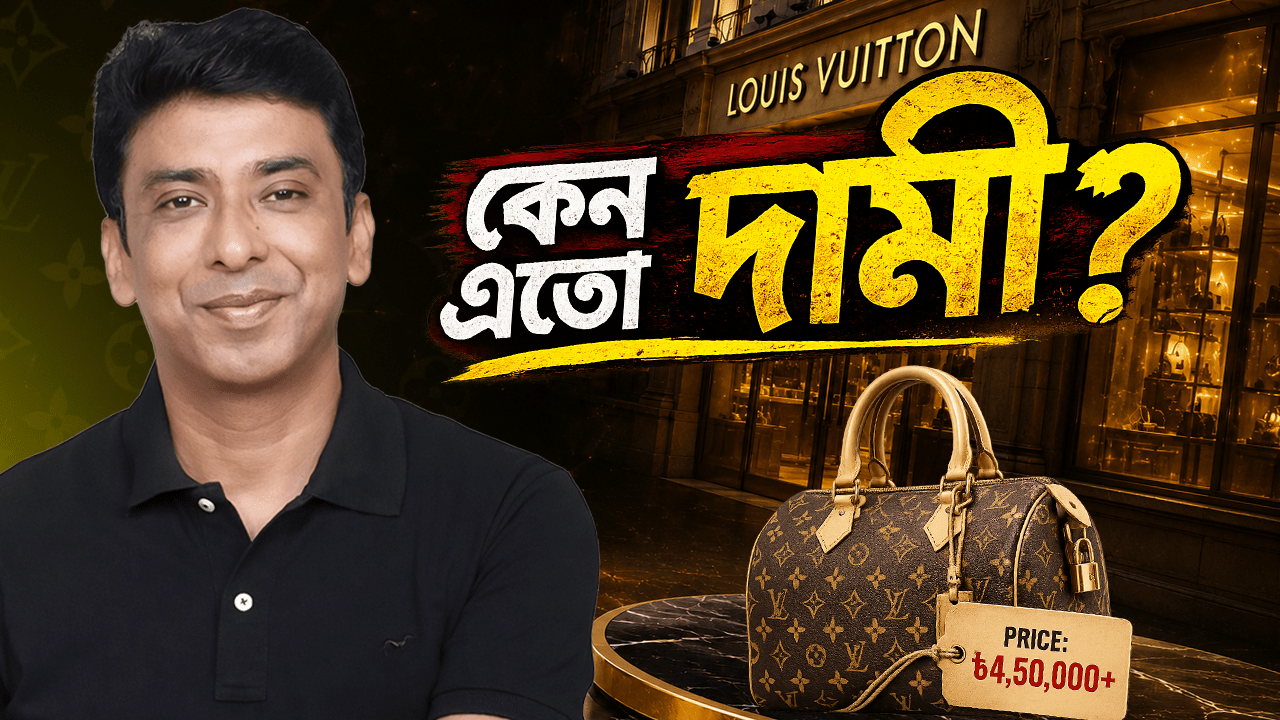
শুভেচ্ছা সবাইকে। কোন কোম্পানি যদি তাদের বিক্রি না হওয়া ব্যাগগুলো কাউকে দান না করে বা ডিসকাউন্টে বিক্রি না করে সরাসরি আগুনে পুড়িয়ে ফেলে, তাহলে আপনার কেমন লাগবে? হ্যাঁ, আপনি ঠিকই শুনেছেন। দীর্ঘসময় ধরে বিশ্বখ্যাত লাক্সারি ব্র্যান্ড ‘লুই ভিতোঁ’র (Louis Vuitton) বিরুদ্ধে এমনই অভিযোগ ছিল। শুধুমাত্র তাদের ‘ব্র্যান্ড ভ্যালু’ বা আভিজাত্য বজায় রাখার জন্য।
এটি আজ বিশ্বের সবচেয়ে কাংক্ষিত লাক্সারী ব্রান্ডগুলোর একটি। যুক্তরাষ্ট্রের নিউইয়র্কের লুই ভিতোঁর এই ভবনটি তো এখন নিজেই ফ্যাশন আইকন হয়ে দাঁড়িয়েছে।
কিন্তু এই অহংকারী আভিজাত্যের পেছনের গল্পটি কী? প্রায় ১৩০ বিলিয়ন ডলারের বর্তমান সাম্রাজ্যটি এমন একজনের হাত ধরে শুরু হয়েছিল, একটা সময় যার মাথার ওপর ছাদ ছিল না, পায়ে জুতো ছিল না এবং পেটে খাবার ছিল না। আজ আমরা সেই লিজেন্ড- লুই ভিতোঁর গল্প জানবো। মাত্র ১৩ বছর বয়সে ঘর ছেড়েছিলেন সম্পূর্ণ খালি হাতে। সেসময় তিনি ২৯২ মাইল পথ হেঁটেছিলেন শুধু একটি স্বপ্নের টানে।
গল্পের শুরু ১৮২১ সালে। ফ্রান্সের জুরার পাহাড়ি অঞ্চলের একটি ছোট্ট গ্রাম ‘আঁশে’। লুই ভিতোঁর বাবা জেভিয়ার ভিতোঁ ছিলেন একজন অতি দরিদ্র কৃষক আর মা করোন ছিলেন একজন টুপি নির্মাতা। দরিদ্রতা ছিল তাদের নিত্যসঙ্গী। কিন্তু লুই-এর আসল কষ্ট শুরু হয় ১০ বছর বয়সে যখন তার মা মারা যায় আর বাবা দ্বিতীয় বিয়ে করেন। লুই-এর সৎ মা ছিলেন ঠিক রূপকথার সেই নিষ্ঠুর ডাইনিদের মতো। তাই লুই-এর প্রতিটি দিন কাটত চরম মানসিক এবং শারীরিক নির্যাতনে। অবশেষে ১৮৩৫ সালে, মাত্র ১৩ বছর বয়সে লুই সিদ্ধান্ত নিলেন- এভাবে ধুঁকে ধুঁকে মরার চেয়ে অজানার পথে পা বাড়ানোই ভালো। এক রাতে পরিবারের কাউকে কিছু না বলে, এক জোড়া কাপড় নিয়ে তিনি ঘর থেকে বেরিয়ে পড়লেন। গন্তব্য? স্বপ্নের শহর প্যারিস।
জন্মস্থান আঁশে থেকে প্যারিসের দূরত্ব ২৯২ মাইল। তার কাছে কোনো টাকা না থাকায় লুই সিদ্ধান্ত নিলেন পায়ে হেঁটেই এই পথ পাড়ি দেবেন। কিন্তু এই পথ পাড়ি দেয়ার সময়টা যে এতো দীর্ঘ তা চিন্তায় করা যায় না। দুই বছর তিনি রাস্তায় রাস্তায় কাটিয়েছেন। পথে যেখানে যা কাজ পেয়েছেন- কাঠ কাটা, পাথর ভাঙা সব করেছেন শুধু এক বেলা খাবারের জন্য। রাত কাটাতেন বনের ভেতর গাছের নিচে। এই দুই বছরের সংগ্রাম লুইকে এমন কিছু দক্ষতা শিখিয়েছিল যা পরবর্তীকালে তাকে ‘মাস্টার ক্রাফটসম্যান’ হতে সাহায্য করে।
১৮৩৭ সালে ১৬ বছর বয়সে যখন লুই প্যারিসে পৌঁছান, তখন শহরটি এক শিল্পবিপ্লবের মধ্য দিয়ে যাচ্ছে। তখন যাতায়াতের প্রধান মাধ্যম ছিল ট্রেন এবং ঘোড়ার গাড়ি। মানুষ তাদের জিনিসপত্র নেওয়ার জন্য বড় বড় কাঠের ট্রাঙ্ক বা বাক্স ব্যবহার করত। কিন্তু সেগুলো ছিল অগোছালো এবং ভঙ্গুর। লুই ‘মঁসিয়ে মারেশাল’ নামের এক বিখ্যাত বাক্স নির্মাতার দোকানে শিক্ষানবিশ হিসেবে যোগ দিলেন। তার কাজ ছিল মানুষের জিনিসপত্র যত্ন করে প্যাক করা এবং মজবুত ট্রাঙ্ক তৈরি করা। কয়েক বছরের মধ্যেই লুই-এর সূক্ষ্ম আর নিখুঁত কাজের কথা ছড়িয়ে পড়ল শহরের, অভিজাত মহলে।
১৮৫২ সাল, লুই-এর বয়স তখন সবে তিরিশের কোঠায় সেসময় তার জীবনে একটি বিশেষ সময় সামনে এলো। ফ্রান্সের সম্রাট তৃতীয় নেপোলিয়নের স্ত্রী ইউজেনিয়া, লুই-এর কাজ দেখে মুগ্ধ হয়ে তাকে ব্যক্তিগত ‘বক্স মেকার’ এবং প্যাকার হিসেবে নিয়োগ দেন। ভাবুন একবার! যে ছেলেটি রাস্তার ধুলোয় ঘুমাত, সে এখন সম্রাজ্ঞীর বহুমূল্যবান পোশাক প্যাকিং করছে। রাজকীয় এই তকমা লুইকে প্যারিসের উচ্চবিত্তদের কাছে পরিচিত করে তুলল। ১৮৫৪ সালে তিনি নিজের প্রথম দোকান খোলেন, যার সাইনবোর্ডে লেখা ছিল, “সবচেয়ে ভঙ্গুর বস্তুও নিরাপদে প্যাক করা হয়।”
তখন ট্রাঙ্ক বা বাক্স হতো গম্বুজ আকৃতির কারণ নির্মাতারা মনে করতেন গম্বুজ আকৃতির হলে বৃষ্টির পানি গড়িয়ে পড়বে। কিন্তু সমস্যাটি ছিল, এই আকৃতির কারণে বাক্সগুলোকে ট্রেনের কামরা বা জাহাজে একটার ওপর আরেকটা সাজিয়ে রাখা যেত না। লুই এখানে দারুণ এক বুদ্ধিমত্তা কাজে লাগালেন। তিনি ১৮৫৮ সালে প্রথম ‘ফ্ল্যাট-টপ’ বা সমতল ঢাকনার ট্রাঙ্ক তৈরি করলেন। শুধু তাই নয়, তিনি চামড়ার বদলে ‘ট্রিয়ানন ক্যানভাস’ ব্যবহার করলেন, যা ছিল অনেক হালকা এবং ওয়াটারপ্রুফ। এই একটি আবিষ্কার ল্যাগেজ ইন্ডাস্ট্রিকে পুরোপুরি বদলে দিল। কোন কাজে সাফল্য যখন আসে, সাথে আসে নকলের উপদ্রবও। লুই-এর ডিজাইন এত জনপ্রিয় হলো যে অবিকল নকশার নকল পণ্যে বাজার ভরে গেল। এই অবস্থা থেকে নিজের পণ্যকে আলাদা রাখতে লুই বারবার তার ক্যানভাসের ডিজাইন বদলাতে থাকলেন- প্রথমে স্ট্রাইপ, তারপর চেকারবোর্ড। এই প্রতিযোগিতার মধ্যেই একদিন পৃথিবীর মায়া ছেড়ে চলে যান লুই।
মৃত্যুর পর ১৮৯২ সালে লুই’এর ছেলে জর্জ ভিতোঁ হাল ধরেন। জর্জও তার বাবার মতোই দারুণ মেধাবী। ১৮৯৬ সালে তিনি তার বাবার স্মরণে এবং নকল ঠেকাতে একটি আইকনিক ডিজাইন তৈরি করেন, যাতে ছিল চার পাপড়ির ফুল, একটি জ্যামিতিক নকশা এবং ‘L’ ও ‘V’ অক্ষরের মিলন। এটিই ছিল সেই কালজয়ী ‘Louis Vuitton বা এলভি’র Monogram’। জর্জ দাবি করেন, এই ডিজাইনটি করা হয়েছে এমন জটিলভাবে যাতে কেউ এটি হুবহু নকল করতে না পারে। যদিও আজ এলভি পৃথিবীর সবচেয়ে বেশি নকল হওয়া ব্র্যান্ড, তবুও সেই লোগোটি আজও আভিজাত্যের সর্বোচ্চ শিখরে।
ইতিহাসের দিকে তাকালে আমরা দেখি, লুই ভিতোঁর কাস্টমার বিশ্বের শক্তিশালী রাজারা। ভারতের জম্মু-কাশ্মীরের মহারাজা হরি সিং ১৯২০-এর দশকে মাত্র সাত মাসের মধ্যে ৩৮টি এলভি ট্রাঙ্ক অর্ডার করেন। পাতিয়ালার মহারাজা এবং কাপুরথালার মহারাজা জগৎজিৎ সিংয়ের কাছে ছিল প্রায় ৬০টি কাস্টমাইজড ট্রাঙ্ক। যেখানে তিনি তার তলোয়ার থেকে শুরু করে পাগড়ি পর্যন্ত রাখতেন। এমনকি মিশরের ভাইসরয়ও ছিলেন এলভি’র নিয়মিত গ্রাহক।
জর্জ ভিতোঁ তার ট্রাঙ্কের সুরক্ষার জন্য একটি বিশেষ ‘টাম্বলার লক’ আবিষ্কার করেন। এই লকটি এতটাই শক্তিশালী ছিল যে, জর্জ বিখ্যাত জাদুকর হ্যারি হুডিনিকে সংবাদপত্রের মাধ্যমে চ্যালেঞ্জ করেন, হুডিনি যদি তার জাদু দিয়ে এই তালা খুলে বের হতে পারেন, তবে এলভি-র নিরাপত্তা নিয়ে প্রশ্ন উঠবে? তবে হুডিনি সেই চ্যালেঞ্জ গ্রহণই করেননি! এই ঘটনার পর এলভি-র ট্রাঙ্ক মানুষের কাছে ট্রেজার বক্স বা গুপ্তধনের সিন্ধুক হিসেবে পরিচিতি পায়। সব সাফল্যেরই একটি অন্ধকার দিক থাকে। দ্বিতীয় বিশ্বযুদ্ধের সময় যখন জার্মানি ফ্রান্স দখল করে, তখন অধিকাংশ ফরাসি ব্যবসা বন্ধ হয়ে যায়। কিন্তু অভিযোগ আছে যে, লুই-এর নাতি গ্যাস্টন ভিতোঁ নাৎসিদের মদতপুষ্ট ভিচি সরকারের সাথে হাত মেলান। তারা নাৎসিদের জন্য প্রোপাগান্ডা পোস্টার এবং স্ট্যাচু তৈরি করত যাতে তাদের ব্যবসা সচল থাকে। এতে নানা সমালোচনার মুখে পড়ে লুই ভিতোঁ।
এমনই নানান চড়াই-উতড়াই পার করে, ১৯৮০-র দশকে হেনরি রাকামিয়ারের হাত ধরে এলভি একটি পারিবারিক ব্যবসা থেকে গ্লোবাল কর্পোরেশনে রূপান্তরিত হয়। হেনরি ছিলেন একজন ফরাসি শিল্পপতি ও ব্যবসায়ী। ১৯৮৭ সালে তারই উদ্যোগে শ্যাম্পেন কোম্পানি মোয়েট হেনেসি (Moët Hennessy)-র সাথে যুক্ত হয়ে এলভি’র নাম হয় এলভিএমএইচ। কিন্তু দুই কোম্পানির মালিকদের মধ্যে শুরু হয় তীব্র বিবাদ। এই সুযোগে মঞ্চে প্রবেশ করেন ‘উলফ ইন ক্যাশমিয়ার’ খ্যাত বার্নার্ড আরনল্ট। তিনি শুরুতে বন্ধু হিসেবে এলেও কৌশলে অধিকাংশ শেয়ার কিনে নেন এবং ১৯৯০ সালের মধ্যে ভিতোঁ পরিবারকে তাদের নিজেদের কোম্পানি থেকেই বের করে দেন। আজ বার্নার্ড আরনল্ট এই এলভি ব্র্যান্ডের কারণেই পৃথিবীর অন্যতম শীর্ষ ধনী। তিনি এই ব্র্যান্ডকে কেবল ব্যাগ বিক্রির কোম্পানি থেকে বিশ্বের অন্যতম শীর্ষ একটি লাক্সারি লাইফস্টাইলে পরিণত করেছেন। যার ব্র্যান্ড ভ্যালু এখন ১৩০ বিলিয়ন ডলার। ভাবতে পারেন, ১৩০ বিলিয়ন ডলার!
লুই ভিতোঁ নিজেদের শুধুমাত্র পোশাক বা ব্যাগের ব্র্যান্ড হিসেবে সীমাবদ্ধ রাখেনি। LVMH-এর লক্ষ্য হলো ব্র্যান্ডটিকে একটি সাংস্কৃতিক প্রতিষ্ঠানে রূপান্তর করা। সেই লক্ষ্যে তারা ফ্যাশনের সাথে আর্ট, মিউজিক এবং স্পোর্টসকে একীভূত করেছে। এর সবচেয়ে বড় উদাহরণ হলো মিউজিক আইকন ফ্যারেল উইলিয়ামস-কে তাদের মেনসওয়্যার-এর ক্রিয়েটিভ ডিরেক্টর হিসেবে নিয়োগ দেওয়া। এটি ছিল একটি প্রথাগত ফ্যাশন ডিজাইনারের বদলে একজন ‘পপ কালচার আইকন’কে বেছে নেওয়া, যা ব্র্যান্ডটিকে তরুণ প্রজন্মের কাছে অত্যন্ত প্রাসঙ্গিক করে তোলে।
এরপরও এলভি-র সাফল্যের আড়ালে কিছু এমন তথ্য আছে যা আপনাকে ভাবিয়ে তুলবে। আগেই বলেছি, এলভি কোনোদিন ডিসকাউন্ট দেয় না। একটা সময় ছিল, যখন কোনো ব্যাগ বিক্রি না হলে, তারা সেটা আগুনে পুড়িয়ে ফেলত, যাতে সস্তায় পণ্যটি বাজারে না আসে। তবে ২০২০ সালে ফ্রান্সে ‘অ্যান্টি-ওয়েস্ট ল’ পাস হওয়ার পর তারা এই ধ্বংসলীলা থেকে সরে আসতে বাধ্য হয়েছে। এখন তারা অবিক্রীত পণ্য রিসাইকেল করে অথবা কর্মীদের কাছে বিক্রি করে দেয়। কিন্তু ‘আগুন দিয়ে পণ্য পোড়ানোর’ বিতর্কিত অতীত আজও লাক্সারি জগতের এক কালো অধ্যায়। এছাড়াও এলভি দাবি করে তাদের ব্যাগগুলো ফ্রান্সে তৈরি। কিন্তু দ্য গার্ডিয়ান-এর ইনভেস্টিগেশনে দেখা গেছে, ব্যাগের অধিকাংশ কাজ আসলে রোমানিয়ার সস্তা কারখানায় হয়। ফ্রান্সে শুধু ‘ফিনিশিং’ দেওয়া হয় যাতে আইনিভাবে ‘Made in France’ ট্যাগ ব্যবহার করা যায়। এলভি তাদের ব্র্যান্ডের বিষয়ে অত্যন্ত কঠোর। উদাহরণ হিসেবে বলা যায়, ব্রিটনি স্পিয়ার্স থেকে শুরু করে ‘দ্য হ্যাংওভার’ মুভির ওপর মামলা ঠুকে দিয়েছিল ভুল লোগো বা নামের ভুল উচ্চারণের জন্য। এমন নানা সমালোচনা ও বিতর্ক ঘিরে আছে ব্রান্ডটিকে।
লুই ভিতোঁর এই মহাকাব্য আমাদের কী শেখায়? এটি কি কেবল-ই একটি ব্যাগের গল্প? এটি এমন এক কিশোরের গল্প যে ক্ষুধার চেয়ে তার স্বপ্নকে বড় করে দেখেছিল। যে ছেলেটি ২৯২ মাইল হেঁটেছিল, সে জানত না একদিন তার নাম পৃথিবীর প্রতিটি কোণায় আভিজাত্যের প্রতীক হয়ে উঠবে। তার কোম্পানির ভ্যালু হবে ১৩০ বিলিয়ন। আসলে কঠোর পরিশ্রম, উদ্ভাবনী চিন্তা এবং পরিস্থিতির সাথে খাপ খাইয়ে নেওয়ার ক্ষমতা থাকলে যে কেউ পৃথিবী জয় করতে পারে। লুই ভিতোঁর এই স্ট্রাগল কি আপনাকে অনুপ্রাণিত করেছে? নাৎসিদের সাথে তাদের সম্পর্ক কি আপনি সমর্থন করেন? কমেন্টে আপনার মতামত জানান। ভিডিওটি ভালো লাগলে লাইক দিয়ে এবং সাবস্ক্রাইব করে সাথে থাকুন। দেখা হবে পরের কোনো চমকপ্রদ ব্র্যান্ডের গল্প নিয়ে।
ধন্যবাদ সবাইকে। সুস্থ থাকুন, ভালো থাকুন।
Louis Vuitton
Greetings everyone. If a company, instead of donating their unsold bags to anyone or selling them at a discount, burns them directly in a fire, how would you feel? Yes, you heard it right. For a long time, there was such an allegation against the world-famous luxury brand ‘Louis Vuitton’. Only to maintain their ‘brand value’ or nobility.
Today, it is one of the most desired luxury brands in the world. This Louis Vuitton building in New York, USA, has now itself stood as a fashion icon.
But what is the story behind this arrogant nobility? The current empire of about 130 billion dollars was started by someone who, at one time, had no roof over his head, no shoes on his feet, and no food in his stomach. Today we will know the story of that legend- Louis Vuitton. He left home at just 13 years old completely empty-handed. At that time, he walked 292 miles just drawn by a dream.
The story begins in 1821. A small village named ‘Anchay’ in the mountainous region of Jura in France. Louis Vuitton’s father, Xavier Vuitton, was a very poor farmer, and his mother, Coronne, was a milliner (hatmaker). Poverty was their constant companion. But Louis’s real hardship began at the age of 10 when his mother died and his father married for the second time. Louis’s stepmother was just like those cruel witches of fairy tales. Therefore, every day of Louis passed through extreme mental and physical torture. Finally, in 1835, at just 13 years old, Louis decided- it is better to set out for the unknown than to wither and die like this. One night, without telling anyone in the family, taking a pair of clothes, he stepped out of the house. Destination? The city of dreams, Paris.
The distance from his birthplace Anchay to Paris is 292 miles. Having no money with him, Louis decided to cover this path on foot. But the time taken to cover this path is unimaginably long. He spent two years on the streets. On the way, whatever work he found- cutting wood, breaking stones, he did everything just for one meal. He would spend the night under trees inside the forest. This two-year struggle taught Louis some skills that later helped him become a ‘master craftsman’.
When Louis reached Paris in 1837 at the age of 16, the city was going through an industrial revolution. At that time, the main modes of transportation were trains and horse-drawn carriages. People used big wooden trunks or boxes to carry their belongings. But those were disorganized and fragile. Louis joined the shop of a famous box maker named ‘Monsieur Maréchal’ as an apprentice. His job was to pack people’s belongings with care and to make sturdy trunks. Within a few years, the talk of Louis’s subtle and flawless work spread across the elite circles of the city.
The year 1852, Louis’s age was then just in his thirties, at that time a special moment came before his life. Eugénie, the wife of French Emperor Napoleon III, being impressed by seeing Louis’s work, appointed him as her personal ‘box maker’ and packer. Think about it once! The boy who used to sleep in the dust of the street is now packing the priceless clothes of the Empress. This royal title made Louis familiar to the high society of Paris. In 1854, he opened his first shop, on whose signboard it was written, “Most fragile objects securely packed.”
At that time, trunks or boxes used to be dome-shaped because the manufacturers thought that if they were dome-shaped, rainwater would roll down. But the problem was, because of this shape, the boxes could not be arranged one on top of another in train compartments or ships. Louis applied great intelligence here. In 1858, he first created ‘flat-top’ or flat-lidded trunks. Not only that, he used ‘Trianon canvas’ instead of leather, which was much lighter and waterproof. This one invention completely changed the luggage industry. When success comes to any work, the nuisance of imitation comes along with it. Louis’s designs became so popular that the market was flooded with counterfeits of identical designs. To keep his products distinct from this situation, Louis kept changing his canvas designs repeatedly- first stripes, then checkerboard. Amidst this competition, Louis left the mortal world one day.
After his death, Louis’s son Georges Vuitton took the helm in 1892. Georges was also immensely talented just like his father. In 1896, in memory of his father and to prevent counterfeiting, he created an iconic design, which featured a four-petal flower, a geometric pattern, and the union of the letters ‘L’ and ‘V’. This was that timeless ‘Monogram of Louis Vuitton or LV’. Georges claimed that this design was made in such a complex way that no one could copy it accurately. Although LV is the most counterfeited brand in the world today, that logo is still at the highest peak of nobility.
Looking back at history, we see that Louis Vuitton’s customers were the world’s powerful kings. Maharaja Hari Singh of Jammu and Kashmir, India, ordered 38 LV trunks within just seven months in the 1920s. The Maharaja of Patiala and Maharaja Jagatjit Singh of Kapurthala had about 60 customized trunks. Where he kept everything from his swords to turbans. Even the Viceroy of Egypt was a regular customer of LV.
Georges Vuitton invented a special ‘tumbler lock’ for the security of his trunks. This lock was so strong that Georges challenged the famous magician Harry Houdini through newspapers, if Houdini could escape by opening this lock with his magic, then questions would be raised about LV’s security? However, Houdini did not accept that challenge at all! After this incident, LV’s trunks became known to people as treasure boxes. Every success has a dark side. During World War II, when Germany occupied France, most French businesses shut down. But there is an allegation that Louis’s grandson, Gaston Vuitton, joined hands with the Nazi-backed Vichy government. They used to produce propaganda posters and statues for the Nazis so that their business remained active. Because of this, Louis Vuitton faced various criticisms.
Passing through various such ups and downs, in the 1980s, through the hands of Henry Racamier, LV transformed from a family business into a global corporation. Henry was a French industrialist and businessman. In 1987, at his initiative, by merging with the champagne company Moët Hennessy, LV’s name became LVMH. But an intense dispute started between the owners of the two companies. Taking this opportunity, Bernard Arnault, known as the ‘Wolf in Cashmere’, entered the stage. Although he initially came as a friend, he cleverly bought the majority of shares and, by 1990, ousted the Vuitton family from their own company. Today, Bernard Arnault is one of the top richest people in the world precisely because of this LV brand. He has transformed this brand from just a bag-selling company into one of the world’s top luxury lifestyles. Whose brand value is now 130 billion dollars. Can you imagine, 130 billion dollars!
Louis Vuitton has not restricted itself merely as a clothing or bag brand. LVMH’s goal is to transform the brand into a cultural institution. With that goal, they have integrated art, music, and sports with fashion. The biggest example of this is appointing music icon Pharrell Williams as the Creative Director of their menswear. This was choosing a ‘pop culture icon’ instead of a traditional fashion designer, which makes the brand highly relevant to the younger generation.
Even after this, there is some information behind LV’s success that will make you think. As I said earlier, LV never gives discounts. There was a time when, if any bag remained unsold, they would burn it in a fire so that the product would not enter the market cheaply. However, after the ‘Anti-Waste Law’ was passed in France in 2020, they have been forced to step away from this destruction. Now they recycle unsold products or sell them to employees. But the controversial past of ‘burning products with fire’ remains a dark chapter in the luxury world. In addition, LV claims their bags are made in France. But an investigation by The Guardian has shown that most of the work on the bags actually takes place in cheap factories in Romania. Only the ‘finishing’ is done in France so that the ‘Made in France’ tag can be used legally. LV is extremely strict regarding their brand. For example, they filed lawsuits against everyone from Britney Spears to the movie ‘The Hangover’ for using the wrong logo or incorrect pronunciation of the name. Various such criticisms and controversies surround the brand.
What does this epic of Louis Vuitton teach us? Is this merely a story of a bag? This is the story of a teenager who saw his dream as bigger than his hunger. The boy who walked 292 miles did not know that one day his name would become a symbol of nobility in every corner of the world. The value of his company would be 130 billion. Actually, if there is hard work, innovative thinking, and the ability to adapt to situations, anyone can conquer the world. Has this struggle of Louis Vuitton inspired you? Do you support their relationship with the Nazis? Let us know your opinion in the comments. If you like the video, stay along by liking and subscribing. See you in the next fascinating brand story.
Thank you everyone. Stay healthy, stay well.
